

Karisma is an injectable skin treatment that combines recombinant human type I collagen with high molecular weight hyaluronic acid and carboxymethyl cellulose (CMC). Its full name is Karisma Rh Collagen, and it is made by the Italian company Taumedika. Unlike a classic dermal filler, Karisma is not designed to add volume or change the shape of the face. It is designed to improve skin quality from within: firmness, elasticity, hydration, fine lines and texture, by supporting the skin’s natural collagen production.
What is a Karisma injection? It is a bio-restorative skin booster with collagen. The recombinant collagen is produced by transgenic silkworms, so it is not of animal origin, and laboratory studies show it helps fibroblasts produce more type I collagen. Results are natural and gradual, which makes Karisma popular with patients who want healthier, firmer-looking skin without looking “done”. This guide explains how Karisma works, what it treats, how it compares with other injectables and what to expect from treatment in Dubai.
What Is in Karisma Rh Collagen?
Karisma contains three main ingredients that work together:
- Recombinant human collagen (Rh collagen). This is a polypeptide of the alpha-1 chain of human type I collagen. It is made with a patented technology in which transgenic silkworms produce human-type collagen in their cocoons. Published research describes it as having 99.9% similarity to human collagen and as non-immunogenic. Because of its structure, it does not form the triple helix of mature collagen; instead, it acts as a signal that helps your own cells build new collagen.
- High molecular weight hyaluronic acid. The hyaluronic acid in Karisma is non-crosslinked, so it does not create volume like a hyaluronic acid filler. It supports skin hydration and the extracellular matrix around collagen fibres.
- Carboxymethyl cellulose (CMC). CMC is a water-soluble substance derived from cellulose that stabilises the formulation and is described as helping protect hyaluronic acid from breaking down too quickly.
How Does Karisma Work?
Type I collagen makes up about 80 to 90% of all collagen in human skin. With age, sun exposure and other factors, fibroblasts, the cells that produce collagen, become less active, and the skin loses firmness, elasticity and density.
Karisma is designed to support these cells. In a 2023 laboratory study on adult and aged human dermal fibroblasts, the Karisma formulation increased type I collagen and other markers of collagen synthesis, and improved fibroblast activity. A 2024 clinical study, in which patients received two Karisma injections one month apart, reported improvements in skin parameters measured with a 3D skin scanner and in patient-reported satisfaction at 30 and 60 days.
The result is a gradual improvement in skin structure from within, rather than an immediate change in volume. Research on Karisma is still relatively new, so long-term data is more limited than for older injectables.
What Does Karisma Treat?
Karisma is used when the main concern is the quality of the skin rather than missing volume:
- Loss of firmness and reduced elasticity
- Fine lines related to collagen loss, sun exposure or dehydration
- Crepey, thin-looking skin
- Dull, tired-looking skin and uneven texture
- Early signs of aging and early skin laxity
- Superficial acne scars, as part of a wider treatment plan
Treatment Areas
On the face, Karisma is often used on the cheeks, lower face and jawline area, and selected areas around the eyes where the skin is thin. Doctors also use it on the neck, décolleté and hands, which often show signs of aging early. Some practitioners use it for stretch marks and scars on the body. The areas and technique are chosen individually after a consultation.
Who Is a Good Candidate for Karisma?
Karisma suits adults, both women and men, who notice their skin becoming thinner, less firm or less elastic and who want natural rejuvenation without changing their facial proportions. It is a good option for people who do not want more filler but still want visibly healthier skin, and for those in their 30s and 40s who want to start a preventive anti-aging approach.
When Karisma Is Not the Right Treatment
Karisma is not a volumising dermal filler, so it will not replace lost volume in the cheeks, lips or chin, or create contour along the jawline. It does not relax muscle-driven wrinkles like Botox, and it is not enough for significant skin laxity, deep acne scars, pigmentation or redness. Your doctor should review your medical history, allergies and medications before treatment, and Karisma is usually avoided during pregnancy and breastfeeding and over active skin infections.
Karisma vs Hyaluronic Acid Fillers
Hyaluronic acid fillers use crosslinked gel to add volume, shape and projection, for example in the lips, cheeks or chin. Karisma uses non-crosslinked hyaluronic acid together with collagen and CMC, so its purpose is skin quality, not contour. A patient with good facial volume but tired, thin skin is a better candidate for Karisma; a patient with real volume loss may need a filler.
Karisma vs Profhilo and Other Skin Boosters
Profhilo and similar skin boosters are based mainly on hyaluronic acid and focus on hydration and elasticity. Karisma belongs to the same skin booster category, but it adds a recombinant collagen component that is designed to support type I collagen synthesis. Both aim for natural rejuvenation; the choice depends on whether hydration or collagen support is the main need.
Karisma vs Sculptra and Radiesse
Sculptra (poly-L-lactic acid) and Radiesse (calcium hydroxylapatite) are collagen stimulators that also provide structural support and, in the case of Radiesse, immediate volume. They are chosen when there is volume loss or loss of facial support. Karisma is a lighter, skin-focused treatment for firmness, elasticity and texture without adding volume.
Karisma vs Botox
Botox relaxes the muscles that cause dynamic lines, such as frown lines and crow’s feet. Karisma does not affect muscles; it improves the skin itself. That is why the two treatments are often combined in one plan.
Karisma with Other Treatments
Karisma can be part of a broader plan with Botox, fillers, Sculptra, Radiesse, RF microneedling such as Morpheus8, laser treatments or PRP. These treatments target different concerns, and your doctor will decide the order and timing.
What Happens During a Karisma Treatment?
- Consultation. The doctor assesses your skin quality, firmness, elasticity, facial anatomy and previous injectable treatments, and decides whether the main issue is skin quality or volume.
- Preparation. The skin is cleansed, and a numbing cream may be applied for comfort.
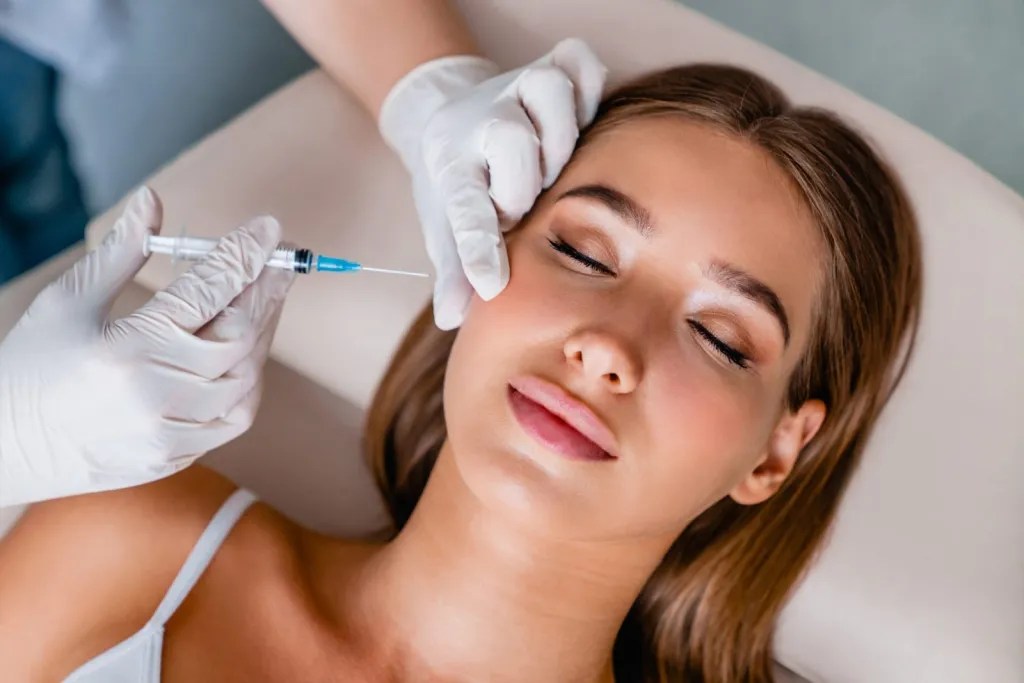
- Injection. Karisma is placed into the dermis with a fine needle or cannula, often using small micro-papules or linear threads, depending on the area.
- Aftercare. The doctor checks the skin and gives you post-treatment instructions.
A session usually takes about 30 to 45 minutes, and most people return to normal activities on the same day.
How Many Sessions and When Will You See Results?
Karisma is usually done as a short course of sessions spaced a few weeks apart; in the 2024 clinical study, patients received two injections one month apart. The exact plan depends on your age, skin condition and goals. Small raised marks from the injections settle within hours to a few days. The real improvement in firmness, elasticity, hydration and fine lines develops gradually over the following weeks, as collagen production increases. Maintenance sessions may be recommended to keep the results.
Side Effects
Karisma is minimally invasive, and side effects are usually mild and temporary: redness, swelling, tenderness, small bruises and visible injection marks. Because the collagen is recombinant rather than bovine or porcine, it is described as hypoallergenic, which lowers the risk of allergic reactions linked to older animal-derived collagen products. As with any injection, it should be performed by a trained doctor in a medical setting.
Aftercare
- Do not massage or press the injection sites unless your doctor tells you to.
- Avoid intense exercise, saunas, steam rooms, swimming and excessive heat for the first day or two.
- Pause strong acids, retinoids and aggressive skincare until the skin settles.
- Use a broad-spectrum sunscreen daily; in Dubai’s strong sun this also helps protect new collagen.
Karisma Injection in Dubai
In Dubai, Karisma is offered by DHA-licensed dermatology and medical aesthetics clinics. One example is a DHA-licensed polyclinic in Umm Al Sheif that uses Karisma Rh Collagen for patients whose main concern is skin quality rather than volume, after a doctor-led consultation that separates skin-quality problems from structural volume loss or significant laxity. At some Dubai clinics, a Karisma session costs around AED 2,100; the total depends on the number of sessions in your treatment plan.
When choosing a clinic, check that the clinic and the doctor are licensed by the Dubai Health Authority (DHA), ask to see the genuine Karisma product, and make sure the doctor explains why Karisma suits your skin better than a filler, a skin booster or another treatment. With the right indication, Karisma offers a natural, gradual way to restore firmer, smoother and more youthful-looking skin.


Facebook
Twitter
Instagram
LinkedIn
RSS