
Life-saving drugs have revolutionized human life, turning once-fatal diseases into manageable ones and providing millions of people with a second chance. Modern pharmacology is one of the greatest triumphs of mankind, from antibiotics that won over bacterial infections to antivirals that are fighting deadly viruses. It is not just about treating symptoms; these drugs save lives, stop the disease from getting worse and return quality of life to those with horrendous prospects. It takes decades to develop life-saving drugs and to have a detailed understanding of human biology at the molecular level and to conduct rigorous clinical trials. Today, we are standing on the shoulders of giants such as Alexander Fleming, who discovered penicillin, and countless scientists that have since made contributions to an arsenal of therapeutics around the world that save millions of lives every year.
Global Access and Medical Tourism
A major challenge in the health care arena today is the need for fair access to life-saving drugs worldwide. Developed countries have generally good access to medicine, but there are many countries in the developing world that suffer from a lack of drugs and access to them. The imbalance has led to medical tourism, which involves patients seeking treatment elsewhere in the world where it is not available, or where it is too expensive. Regulatory regimes vary widely in some areas, resulting in distinct healthcare ecosystems. For example, the supply and oversight of different pharmaceuticals can differ significantly across regions; some patients may even seek information on steroids in dubai, given the unique medical tourism environment and healthcare framework in the area. It is important to note, however, that patients should always seek advice from licensed medical professionals and that they be aware of the legal and health consequences of the use of foreign prescriptions. As WHO calls for universal health coverage and access to essential medicines, we believe that no one should die because of where they live.
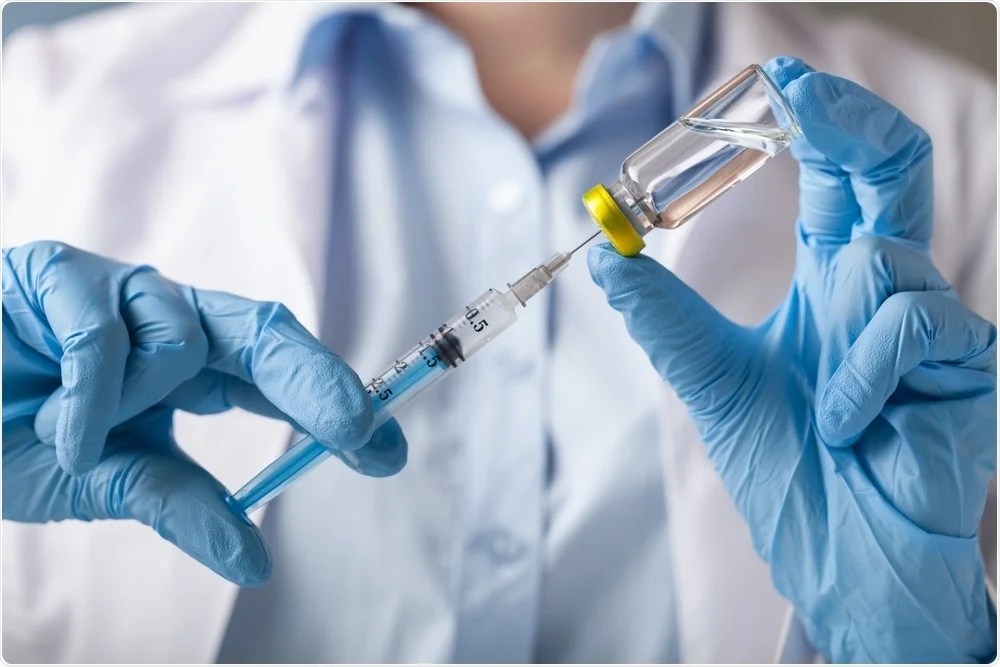
The two most significant factors in the control of infectious diseases are the use of antibiotics and the promotion of better hygiene practices.
Of course, no discussion of life-saving drugs would be complete without consideration of antibiotics, the cornerstone of modern medicine. Simple bacterial infections such as strep throat or urinary tract infections could become severe and lead to death before the advent of antibiotics. The first antibiotic, penicillin, was discovered in 1928, and since then streptomycin, tetracycline, and a variety of other classes such as cephalosporins, fluoroquinolones and carbapenems have been found. These drugs are effective because they hit the bacteria at a particular molecular structure – the cell wall or the mechanism for protein synthesis – but not human cells. Antibiotics nowadays are vital not only for curing active infections, but also to prevent infections during surgery, chemotherapy, and organ transplants. However, the increasing problem of antimicrobial resistance is a significant challenge and the need for stewardship and new antibiotics is more urgent than ever.
Cardiovascular Medications
Protecting the Heart is a straightforward, practical guide for the use of cardiovascular medications. Cardiovascular disease is still the main cause of death in the world and cardiovascular protective drugs are among the most life saving drugs that exist. Statins (cholesterol-lowering medications) have helped to prevent millions of heart attacks and strokes by decreasing plaque formation. Beta blockers lower blood pressure and the heart rate, which will take the work out of the heart and prevent life-threatening arrhythmias. Anticoagulants, such as newer direct oral anticoagulants (DOACs) and warfarin, can stop the formation of blood clots that lead to stroke and pulmonary embolus. Perhaps most impressively, thrombolytics (“clot-busting” drugs) can be given early in a heart attack to dissolve blockages in the coronary arteries, restore blood flow and save heart muscle. These drugs, used together, have contributed to a significant decrease in cardiovascular deaths, and have given many heart patients a longer life span.
Oncology Breakthroughs: Transforming Cancer Care
In recent decades, cancer therapy has progressed beyond the use of toxic chemotherapy drugs to precision-targeted drugs and immunotherapies that are capable of saving lives. While older treatments, such as cisplatin, doxorubicin and paclitaxel, still play a significant role in the treatment of many cancers, newer treatments have changed the face of previously hopeless cancers. Examples of targeted therapies are imatinib (Gleevec) for chronic myeloid leukemia, and trastuzumab (Herceptin) for HER2-positive breast cancer – these therapies are active against certain molecular drivers of cancer, and cause fewer side effects than traditional chemotherapy. Immunotherapy drugs – such as checkpoint inhibitors such as pembrolizumab (Keytruda) and nivolumab (Opdivo) – use the body’s immune system to target and kill cancer cells, and have been successful in providing long-term remissions in melanoma, lung cancer and other cancers. CAR-T cells are the cutting edge of personalized cancer care – using the patient’s own immune cells to battle the patient’s cancer.
Emergency & Critical Care Medications
In critical and emergency care situations, certain life-saving medications could mean the difference between life and death within minutes. Epinephrine (adrenaline) is the drug of choice in anaphylaxis, where it will reverse severe allergic reactions that lead to fatal narrowing of the airways and cardiovascular collapse. During the current opioid crisis, naloxone is an effective and quick-acting antidote to opioid overdose, reversing it and saving thousands of lives. In intensive care units, noradrenaline keeps the blood pressure up in septic shock, and sedatives and paralysing agents help to ventilate the patient in respiratory failure. When appropriate, antidotes can be used to prevent irreversible organ damage in certain poisonings, for instance, in paracetamol overdose, acetylcysteine and in benzodiazepine overdose, flumazenil. These medications have a life-saving potential that needs to be realised quickly and correctly with a good clinical judgment.
The Future of Life-Saving Therapeutics
There is hope in the horizon of life-saving drug development, with advancements in genomics, artificial intelligence, and biotechnology. Gene therapies have the potential to cure genetic diseases such as sickle cell anemia and spinal muscular atrophy by fixing the disease-causing mutations at their source. mRNA technology is used in COVID-19 vaccines and is a potential option for cancer, rare genetic disorders, and infectious diseases. AI in drug discovery is now helping to speed up the process of discovering new therapeutic targets and optimizing drug design, which can take decades to years. The field of personalized medicine, based on the newly emerging science of pharmacogenomics, promises to uncover the right drug for the right patient at the right dose, with the least side effects possible. The next generation of life-saving drugs may yet target diseases that are currently untreatable and further prolong the human life span and quality of life as science continues to break new ground.


Facebook
Twitter
Instagram
LinkedIn
RSS