

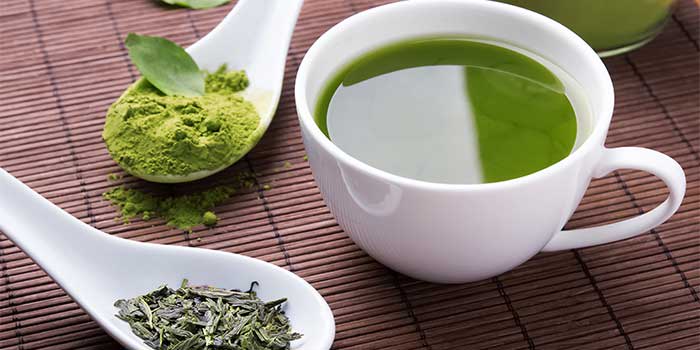
Bakeries can use matcha green tea powder (this is commonly referred to as ผงชาเขียวมัทฉะ in Thai) to bring distinctive colour and an earthy, slightly bitter flavour to cakes, biscuits, breads, pastries and fillings. Rather than treating matcha as simply another flavouring, bakers can use it to create products with their own visual identity and balance it against familiar ingredients such as white chocolate, vanilla, cream or nuts. For food businesses, this versatility makes matcha an ingredient worth exploring beyond the drinks counter.
Give Familiar Cakes a Matcha Makeover
Cakes are one of the easiest places to introduce matcha because the flavour can be incorporated into sponges, creams and frostings.
A vanilla sponge, for example, can be transformed with matcha in the batter, while a layered cake can alternate green sponge with light cream. Cheesecakes also provide an interesting base because their creamy character can soften matcha’s more pronounced notes.
The key is restraint. Adding excessive powder does not necessarily create a better matcha cake. It may instead produce bitterness that overwhelms the other ingredients.
Bring Something Different to the Biscuit Counter
Matcha can give everyday biscuits and cookies a distinctive twist without requiring a bakery to develop an entirely unfamiliar product.
Shortbread offers a simple starting point, while matcha cookies can be paired with white chocolate, macadamia nuts or sesame. These combinations give customers recognisable textures while introducing a less conventional flavour.
For bakeries testing matcha for the first time, smaller products can also be useful for experimenting with recipes before committing to larger cakes or elaborate pastries.
Add Matcha to Fillings and Finishing Touches
Matcha does not always need to go into the dough or batter.
It can be incorporated into:
- Buttercream for cupcakes and cakes
- Cream fillings for choux pastry
- Glazes for doughnuts and buns
- Ganache for filled pastries
- Dusting mixtures for decorative finishes
Using matcha in one component rather than throughout the entire bake can produce a more balanced result. A plain pastry with matcha cream, for instance, allows customers to notice the flavour without every bite becoming overly intense.
Think About Colour as Well as Taste
Matcha’s green appearance can help bakery products stand apart in a display case. However, the presentation should still feel appetising rather than relying on colour alone.
Contrasting elements can help. White cream against a green sponge creates clear layers, while dark chocolate can provide dramatic visual contrast. Neutral packaging can also allow the colour of the product itself to attract attention.
For businesses, this makes matcha useful when developing seasonal ranges, gift boxes or a recognisable collection of bakery items.
Test Before Expanding the Menu
Matcha can behave differently across recipes, so testing matters. Heat, ingredient ratios and the amount of powder used can influence both flavour and finished colour.
Start with one or two products and gather feedback before building an entire range. Consider sweetness, portion size, appearance and whether customers can clearly taste the matcha.
Bake Matcha Into Your Next Menu Idea
From delicate cream fillings to eye-catching cakes, matcha gives bakeries plenty of room for creativity without abandoning the products customers already enjoy.
For cafés, bakeries and food businesses ready to experiment, explore Jooze Juice matcha powder as an ingredient for your next creation. A carefully developed matcha bake could become more than a colourful addition to the counter. It could become one of the products customers specifically return to order.


Facebook
Twitter
Instagram
LinkedIn
RSS