

In an era defined by rapid digital transformation, enterprises are investing heavily in advanced software, artificial intelligence, and decentralised networks. However, the foundation of this modern digital economy remains distinctly physical. A single, unexpected power failure can bring a sophisticated IT environment to a grinding halt in a matter of seconds. As organisations expand their digital footprints across regional offices and remote workspaces, safeguarding modern IT infrastructure against costly power interruptions has become a critical priority for business continuity.
The Financial Toll of Sudden Downtime
The impact of a power outage extends far beyond the immediate inconvenience of offline servers and dark screens. Unplanned downtime directly translates to lost revenue, diminished productivity, and severe reputational damage. Recent industry research highlights the staggering financial consequences of these physical disruptions. According to research cited by IBM, the average cost of downtime exceeds USD 200,000 per hour. For large enterprises, other estimates suggest the financial impact of an unplanned data centre outage can equate to thousands of dollars per minute.
This immense cost underscores the reality that businesses simply cannot afford to leave their infrastructure exposed to the unpredictability of the local energy grid. Furthermore, unexpected power outages are inextricably linked to data security. Reports indicate that ungraceful shutdowns account for a notable percentage of data breach root causes. When systems lose power suddenly, temporary memory can be wiped, files are left open to corruption, and databases can be severely damaged, leaving the entire network highly vulnerable.
Why Software Upgrades Demand Hardware Protection
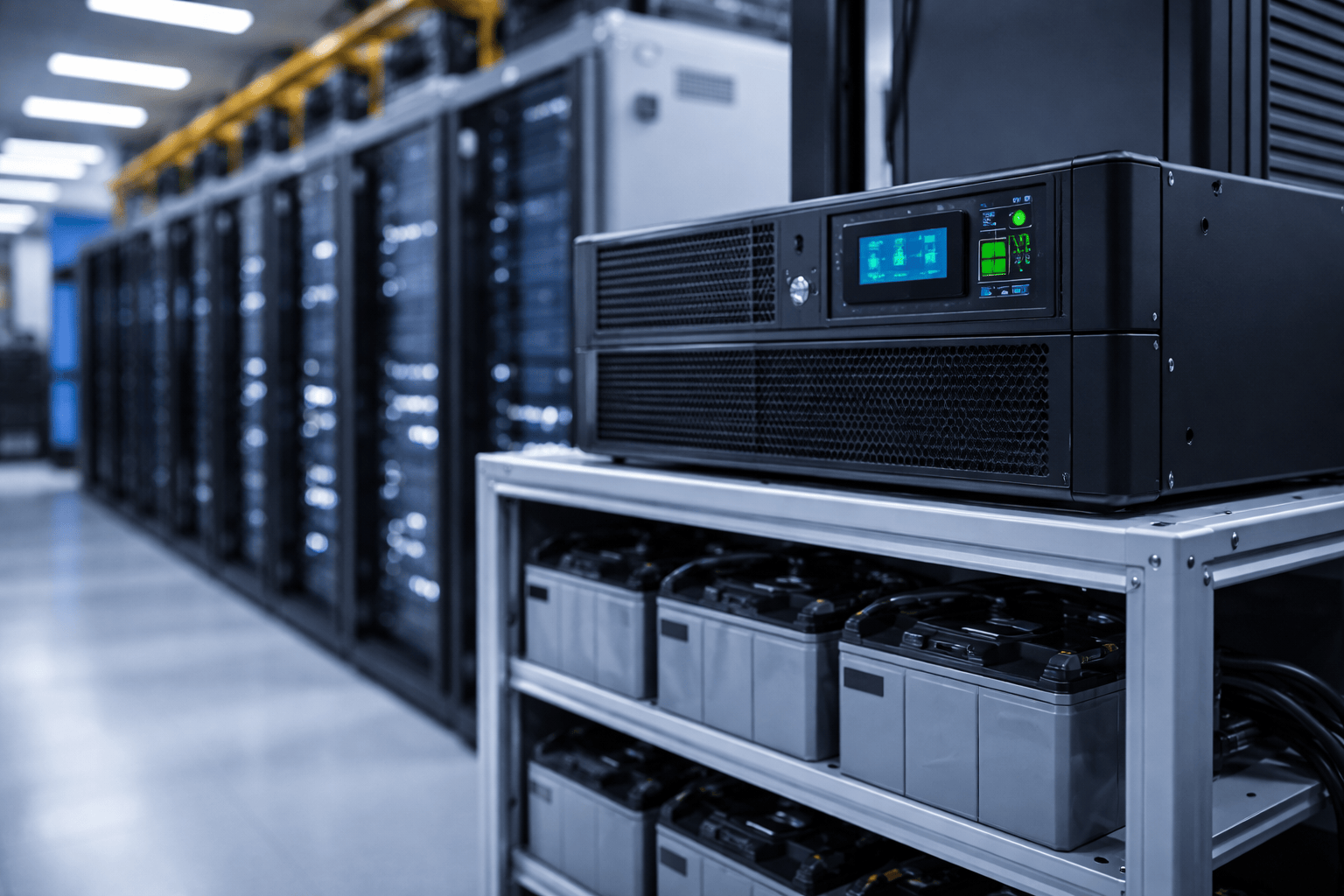
To mitigate this risk, facilities must invest in robust physical safeguards. Installing a reliable computer system UPS ensures that sensitive local networks and edge computing devices remain online during sudden electrical fluctuations or total blackouts. These backup units provide IT administrators with a crucial window of time to safely save data, transition to backup generators, or execute a graceful system shutdown, thereby preventing long-term hardware damage and catastrophic data loss.
Organisations today are increasingly reliant on hybrid IT environments and remote infrastructure. While many companies use virtualised spaces to manage their operations, as detailed in a comprehensive guide on cloud computing from A to Z, local hardware remains the essential gateway to these off-site resources. If the on-premise routers, network switches, and edge devices lose power, access to the cloud is instantly severed, rendering those expensive software investments temporarily useless.
Emerging Risks in Modern Tech Environments
The landscape of technology is continuously shifting, and with it, the nature of infrastructural vulnerabilities. Several key trends and environmental factors are elevating the importance of localised power protection across the business sector:
- The rise of edge computing: As data processing moves away from massive, centralised data centres to local edge nodes like retail branches and smart factory floors, these smaller hubs become highly vulnerable. They often lack the heavy power redundancy found in traditional enterprise facilities.
- Smart building dependencies: Modern commercial facilities rely heavily on interconnected IoT devices and Building Management Systems. A sudden power drop to a local network switch can sever vital communication between building security systems and environmental sensors.
- Cybersecurity intersections: Defences such as intrusion detection systems and digital firewalls require continuous electricity. Power outages can cause these protective measures to drop offline, creating temporary windows of vulnerability that malicious actors actively exploit to infiltrate corporate networks.
- Environmental unpredictability: In regions like Australia, businesses face unique infrastructure risks due to extreme weather events such as bushfires and severe storms. With climate tracking indicating that a vast majority of major infrastructure power outages are tied to severe weather, unpredictable environmental threats remain a constant risk to local IT environments.
Future-Proofing Business Continuity
Looking ahead, the integration of artificial intelligence into infrastructure management is offering new ways to maintain resilience. Modern local controllers are beginning to use lightweight AI models to run real-time, self-diagnostic checks on backup battery health and dynamically adapt energy consumption during grid fluctuations. However, this technology still relies on having a solid physical foundation in place.
Ultimately, IT resilience requires a holistic approach. Relying solely on off-site cloud backups or software-based cybersecurity measures is insufficient if the physical hardware that powers them is left unprotected. By acknowledging the severe financial and operational risks associated with power instability, IT leaders can make informed decisions about their infrastructure. Investing in the right physical power protection is not just a basic operational safeguard, but a fundamental requirement for sustaining modern business operations in an increasingly unpredictable digital world.


Facebook
Twitter
Instagram
LinkedIn
RSS